

How to Manage Anger and Resentment When You Love Someone With Addiction
Anger and resentment are normal when you love someone with addiction. Learn practical, compassionate ways to manage these feelings and protect your well-being.
These pieces are written for families trying to think clearly under pressure. Start with the latest article, browse by topic, or search for the pattern you keep running into at home.
Recommended first read

Anger and resentment are normal when you love someone with addiction. Learn practical, compassionate ways to manage these feelings and protect your well-being.
Search by issue, then narrow by topic. The goal is not to read everything. It is to find the next useful thing.

Showing 171 articles

Anger and resentment are normal when you love someone with addiction. Learn practical, compassionate ways to manage these feelings and protect your well-being.

Feeling guilty for living your life while a loved one battles addiction? Learn why your wellbeing matters and how to reclaim it without abandoning them.

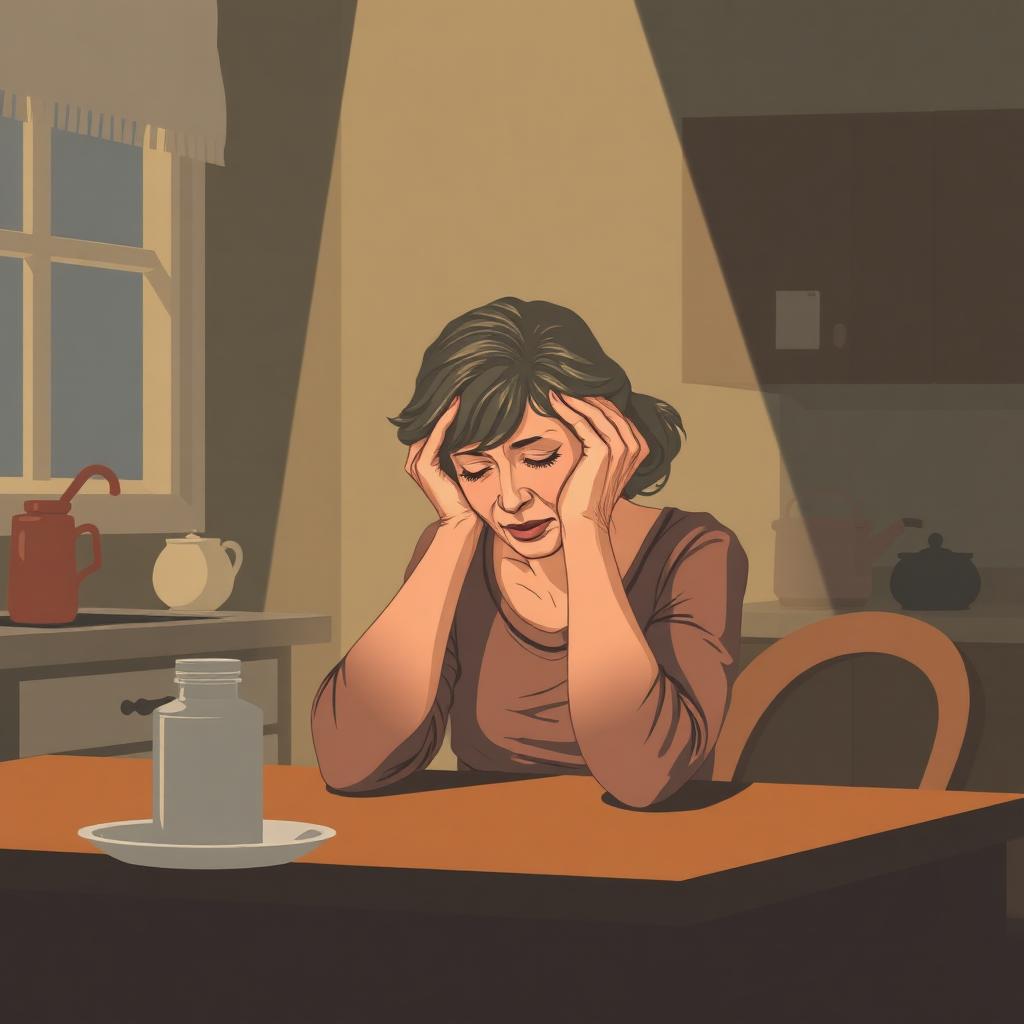
Resentment toward an addicted loved one is normal, not a moral failing. Learn why it builds and how to release it without abandoning yourself.

Addiction creates grief with no funeral. Learn what ambiguous loss is, why it wears families down, and how to grieve someone who's still alive.

Worried any boundary you set will just get lied around? Learn how to build limits with an addicted loved one that hold even when honesty is gone.

Held a boundary with your addicted loved one and now feel wracked with guilt? Learn why second-guessing is normal and how to stay the course.

If you've been enabling for years, setting a new boundary feels impossible. Here's how to do it clearly, calmly, and without blowing everything up.

Not sure what a healthy boundary actually looks like? Real-life examples of boundaries families can set with an addicted loved one — without guilt.

Struggling to tell if your limit is a boundary or a punishment? Learn the real difference and how to set boundaries that protect you both.

Wondering if setting boundaries with an addicted loved one is selfish? Learn why limits are an act of love, how to handle the guilt, and what to say.

Confused about the difference between a boundary and a consequence with your addicted loved one? Learn how each works, and why mixing them up keeps families stuck.

Emotional numbness is one of the least-talked-about signs of codependency in families dealing with addiction. Learn why it happens and how to reconnect with your feelings.

Over-functioning in addiction families looks like love — but it removes the very consequences that motivate change. Learn how to recognize it and start stepping back.

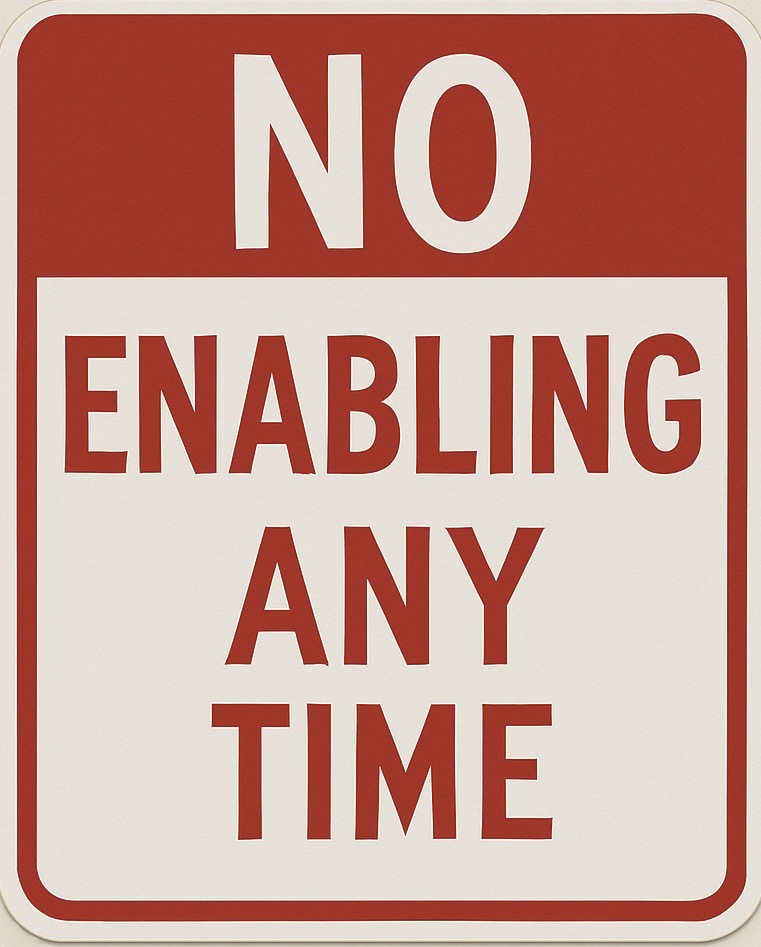
Enabling a loved one's addiction changes you too. Learn how chronic enabling affects your health, identity, and relationships — and what to do instead.

When a loved one struggles with addiction, anxiety becomes your constant companion. Learn why it happens, how to recognize it, and practical steps to manage worry so you can keep living.

Years of enabling can erase who you are. Learn how families can reclaim their identity, rebuild a sense of self, and find life beyond a loved one's addiction.

When your addicted loved one uses guilt to make you give in, staying grounded is hard. Learn how to hold firm on your limits — with love — even under pressure.

When addiction divides your family, your limits collapse. Learn how to align with other family members so your loved one can't play one person against another.

Healthy boundaries with an addicted loved one don't just protect you — they protect them too. Here's why limits are one of the most loving things a family can offer.

Living without boundaries when a loved one is addicted quietly destroys your health, relationships, and their chance at recovery. Here's what no limits actually costs.

Most families expect setting a healthy boundary to feel empowering. Learn why real limits feel uncomfortable at first — and why that's a sign you're doing it right.

Learn the difference between a boundary and a threat when a loved one struggles with addiction — and why one protects you while the other prolongs the pain.

A healthy boundary with an addict isn't about controlling them — it's about deciding what YOU will do. Learn the real definition and why it changes everything.

Keeping the peace with an addicted loved one feels like kindness — but it may be fueling the problem. Learn how conflict avoidance enables addiction and how to change the pattern.

Codependency does not look the same for every family member. Learn the signs for spouses, parents, and siblings — and what each can do next.

You love them—so why is your help making things worse? Learn how good intentions fuel addiction and what real support actually looks like.

Discover the most common rationalizations families use to justify enabling a loved one's addiction—and how to break the cycle with honest, compassionate action.

Why do families keep enabling, even when they know better? Learn how the enabling cycle works in addiction and how to break free — with compassion.

Parents can love their adult child deeply and still stop rescuing the addiction. Learn how to separate support from enabling and build boundaries that hold.

Letting an addicted adult child move home can help or enable depending on structure, safety, and follow-through. Learn what to consider before saying yes.

Money is one of the fastest ways families accidentally keep addiction protected. Learn what to stop paying for, what recovery support can still look like, and how to hold the line.

If your adult child refuses treatment, repeating the same conversation rarely works. Learn how to change the family system and when to consider intervention.

Money requests can arrive wrapped in fear, guilt, and urgency. Learn when financial help supports recovery and when it quietly keeps addiction protected.

Rent support can stabilize recovery or stabilize active addiction. Learn how parents can make housing decisions without funding the same cycle.

Financial boundaries help families stop funding addiction while still supporting recovery. Learn how to create clear limits around cash, bills, rent, and rescue.

Phone bills, utilities, car insurance, and legal costs can become part of the addiction system. Learn how to tell the difference between help and enabling.

A refusal does not mean the conversation is over. Learn how families can respond to rehab refusal with boundaries, treatment options, and a clearer plan.

Treatment refusal can leave families stuck in fear and guilt. Learn how to separate your loved one's choice from the boundaries your family can control.

The right conversation is prepared, specific, and grounded. Learn what to say, what to avoid, and how to ask for treatment without getting pulled into another fight.

An intervention may be necessary when treatment refusal, escalating consequences, and divided family boundaries keep the addiction cycle protected.

If treatment is refused, the family still needs a plan. Learn how to align boundaries, assign roles, prepare for escalation, and keep treatment options ready.

The first weeks after rehab are fragile. Learn how families can support aftercare, rebuild trust slowly, and avoid becoming the recovery police.

Boundaries after rehab create a safer container for early recovery. Learn what household rules, aftercare expectations, and support limits should be clear.

A relapse does not erase recovery, but it does require a response. Learn how families can check safety, update the plan, and avoid enabling the relapse.

Family rules after treatment help everyone know what has changed. Learn the simple agreements that protect recovery, safety, respect, and trust.

Living with an alcoholic spouse can make home feel unpredictable. Learn how to name the pattern, protect safety, and stop confusing endurance with support.

Boundaries with an addicted spouse need to be specific, enforceable, and safety-focused. Learn what to protect around money, children, home, and recovery.

Should you leave someone with addiction? Learn how to think clearly about safety, patterns, children, boundaries, and what real recovery would require.

When a spouse's addiction affects children, safety comes first. Learn what boundaries protect kids from secrecy, impaired supervision, and household chaos.

Planning an addiction intervention starts before the conversation. Learn how families can align, prepare treatment options, and plan for yes or no.

Intervention language should be short, specific, loving, and tied to a real next step. Learn what to say and what to avoid.

An intervention letter helps families speak clearly when emotions are high. Use these examples to structure love, facts, impact, and boundaries.

A family intervention for alcoholism can help when promises to cut back keep failing. Learn how to prepare without minimizing alcohol-related harm.

The intervention meeting is not the finish line. Learn what families should do if their loved one says yes, no, or asks for more time.

If an alcoholic does not want help, families need more than another argument. Learn how to stop debating and start changing the structure.

Stopping enabling an alcoholic means no longer protecting drinking from consequences. Learn what to stop, what to keep, and where to get support.

A person can keep a job and still have alcohol use disorder. Learn the family signs that get missed when public functioning hides private harm.

When a parent struggles with alcohol, children need safety and truth. Learn child-focused boundaries around driving, supervision, and secrecy.

Drinking around kids becomes unsafe when alcohol changes supervision, driving, conflict, secrecy, or emotional stability. Learn what to do.

When addiction makes home unsafe, families need a safety plan before another conversation. Learn what counts as danger and what to do first.

Drug use in the home changes safety for everyone. Learn how to set a clear home boundary and offer recovery-oriented help.

When an addicted loved one steals, families need protection and accountability. Learn how to secure the household without losing clarity.

Threats and violence are safety issues, even when addiction is involved. Learn when to call for help and why safety comes before treatment planning.

Families often do not know who to call during addiction crisis. Learn how to choose between 911, 988, treatment resources, and intervention help.

Stopping enabling can feel like abandonment, but it isn't. Learn why that voice is lying to you and what real love looks like in addiction recovery.

Struggling to talk to your loved one about getting help for addiction? Learn what to say, what to avoid, and how to have the conversation that could change everything.

When your loved one relapses, your response matters. Learn how to react with love and clear limits — without enabling their addiction or losing yourself in the process.

Learn how to prepare your home, your mindset, and your boundaries before your loved one returns from addiction treatment — so you can support recovery without slipping back into enabling.

Discover how Al-Anon helps families of addicts find real support, stop feeling alone, and begin healing — even if your loved one isn't ready.

Detaching with love doesn't mean giving up — it means protecting your wellbeing while your loved one struggles with addiction. Learn what it really means and how to do it.

Holding limits with an addicted loved one feels cruel — but guilt doesn't mean you're wrong. Learn how to stay committed to your limits when it hurts.

When a loved one tests your limits after you've set a boundary, it feels like failure. Learn why this happens and how to hold firm without guilt — even when it's hard.

Learn the exact words to use when communicating a boundary with an addicted loved one — clear, calm scripts that actually work without guilt or conflict.

Think setting limits with your addicted loved one is selfish or cruel? Learn why boundaries are actually one of the most loving things you can do — for both of you.

Setting limits with an addicted loved one can feel like betrayal even when you know they are needed. Learn why it feels so hard and what helps families follow through.

Codependency feels like love — and that's exactly why it's so hard to stop. Learn why caring for an addicted loved one can quietly become codependency, and what to do instead.

When a loved one has an addiction, shame and secrecy often keep families stuck in codependent patterns. Learn why families hide addiction and how breaking the silence changes everything.

Feeling responsible for a loved one's addiction is common, but it keeps families trapped in guilt and over-functioning. Learn how to separate care from control.

Trust after addiction does not come back through promises alone. Learn how families can rebuild trust in recovery through time, structure, and earned accountability.

If conversations, consequences, and promises have not changed the pattern, it may be time for a professional intervention. Learn the signs and what the process actually looks like.

Not knowing what happens in addiction treatment can leave families scared and overly involved. This guide explains the process, the family role, and what comes after discharge.

Early recovery can pull families back into old roles fast. Learn how to support your loved one's recovery without slipping back into monitoring, rescuing, or over-responsibility.

Caregiver burnout in addiction often looks like numbness, resentment, and constant vigilance, not just exhaustion. Learn the signs and how families begin recovering too.

Saying no to an addicted loved one is an act of love, not rejection. Learn how to set boundaries without guilt and why your 'no' might be the catalyst for change.

When your addicted loved one breaks a boundary, the next step matters. Learn how to respond calmly, follow through, and know when the pattern needs outside help.

Holding boundaries gets hardest after the guilt, anger, or threats start. Learn how to maintain boundaries with an addicted loved one when the pressure rises.

Learn how to set boundaries with an addicted loved one, what healthy consequences look like, and how to stay steady when guilt or pushback shows up.

If you've spent months or years trying to save someone you love from their addiction, you know the exhaustion. The hard truth is that codependent rescuing behavior may actually be making things worse.

Codependency doesn't appear overnight. It develops through small adaptations that once helped you survive — until they became automatic, compulsive, and limiting. Here's how it happens and what you can do.

Breaking the codependency cycle means stepping out of rescue, guilt, and over-responsibility. Learn how families begin reclaiming their lives after addiction has organized the home.

Worried you've become codependent with an addicted loved one? These eight signs can help you recognize the pattern and start separating care from over-responsibility.

You love someone struggling with addiction. You worry constantly, cover their mistakes, make excuses, or find yourself managing their life. What you might be experiencing is codependency — a learned pattern that can be unlearned.

Learn how to stop enabling an addict, recognize the patterns keeping addiction comfortable, and set boundaries that support recovery without losing yourself.

Learn the difference between enabling and helping, spot the family patterns that keep addiction going, and support your loved one in ways that do not remove accountability.

Struggling with addiction? Discover proven, evidence-based strategies for addiction recovery — from detox and therapy to long-term sobriety support. Start your healing journey today.

Enabling is not a character flaw. It is what love does when it doesn't know what else to do. This guide explores how families can recognize enabling patterns, set strategic boundaries, and find support — without shame.

It rarely starts with a major boundary collapse. It starts small. Understanding how 'just this once' becomes enabling helps families maintain clarity without hardening their hearts.

Enabling doesn't only happen with money or logistics. Sometimes it happens emotionally. When families rush to soothe, fix, or absorb discomfort, emotional rescue can become just as sustaining to addiction as financial support.

When families consistently protect someone from embarrassment, they may also be protecting the addiction from accountability. Learn why allowing social consequences matters for recovery.

When families take over bills, logistics, and cleanup long-term, they may also delay maturity. Learn how overfunctioning blocks growth and how to hand responsibility back.

Enabling doesn't always look dramatic. Sometimes it looks like constantly rearranging your life—canceling plans, rescheduling events, adjusting routines to avoid conflict. What starts as flexibility can quietly become structural protection from natural consequences.

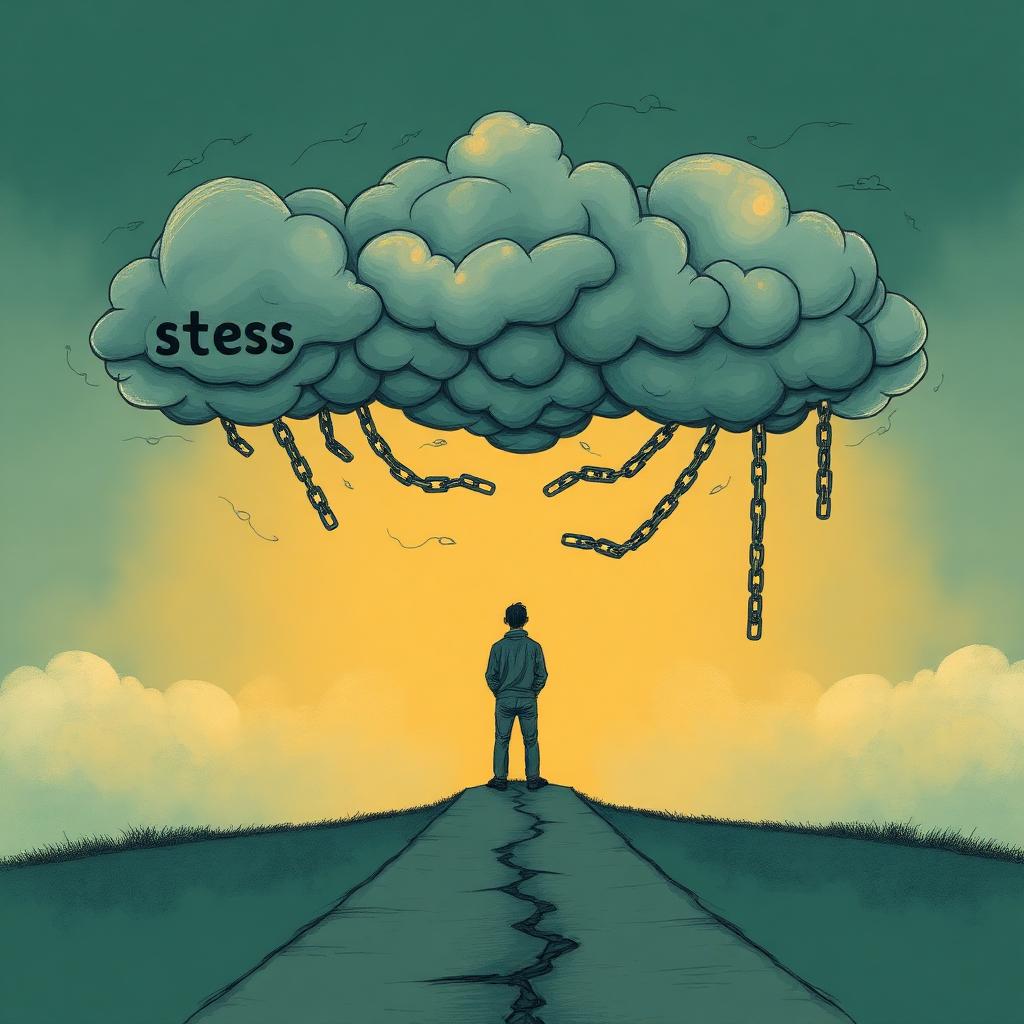
Stress is real—but it's often not the whole story. When stress becomes the default excuse for mood swings, secrecy, and escalating substance use, addiction hides comfortably behind it. Learn to separate compassion from enabling.

In many families affected by addiction, the chaos never fully explodes outward. It gets absorbed. Smoothed over. Softened. Managed. Over time, families become emotional shock absorbers—taking the impact so the addicted person doesn't have to. This pattern feels protective, even loving. But absorbing every shock often prevents the very friction that could create change.

Guilt is one of the most powerful emotional forces inside families affected by addiction. It rarely announces itself loudly. It operates quietly—behind financial help, softened boundaries, second chances, and repeated rescue attempts. Understanding how guilt fuels enabling is the first step toward making choices based on clarity instead of emotional self-punishment.

Alcohol is legal, social, and culturally accepted. That makes it one of the easiest substances for families to miss. Alcohol use disorder rarely announces itself dramatically at first. It develops through normalization, tolerance creep, and emotional reliance. Understanding how "normal drinking" evolves into dependency helps families reclaim clarity before the damage deepens.

Families rarely wake up one day and decide that unacceptable behavior is suddenly fine. It happens gradually—so gradually that many families don't notice how far the line has moved. Addiction normalizes behavior families would never tolerate in friendships, workplaces, or other relationships. Understanding how this shift occurs helps families recognize when adaptation has crossed into enabling.

Flexibility sounds healthy. But in addiction dynamics, flexibility often becomes a way to avoid conflict rather than create clarity. When expectations keep shifting and boundaries stay negotiable, chaos increases. Understanding this pattern helps families replace over-accommodation with stability.

Many families believe that helping means giving more—more time, more energy, more money, more patience. Over time, this 'help' turns into sacrifice: personal needs disappear, boundaries erode, and family identity shrinks around addiction. Understanding the difference between helping and sacrificing allows families to support change without losing themselves.

Families are often told to 'be patient' when addiction is involved. Give it time. Don't push. Let things unfold. But many families unknowingly slide from patience into passivity, where waiting replaces action and hope substitutes for strategy. Understanding the difference helps families stop delaying necessary decisions without becoming harsh or reactive.

Many families believe they're responding responsibly to crises—showing up, stepping in, and doing whatever it takes to stabilize the situation. What's rarely explained is how repeated crisis responses can unintentionally reward chaos while stability goes unnoticed. When families finally stop responding this way, guilt often follows.

Many families believe that close monitoring equals responsible support. They check texts, verify stories, track locations, count pills, and watch for signs. It feels proactive. In reality, monitoring often replaces boundaries, increases anxiety, and accelerates burnout.

Many families living with addiction don't realize how exhausted they are. Stress becomes constant, crises feel routine, and exhaustion stops registering as a warning sign. When overload becomes normal, families lose clarity, boundaries weaken, and enabling behaviors increase—not because families don't care, but because they're depleted.


Many families believe staying quiet is an act of loyalty. They avoid talking about addiction outside the family, downplay concerns, and keep painful realities private to protect their loved one. This silence often feels honorable. In reality, it shields addiction from accountability and keeps families isolated.

When families stop rescuing a loved one from the consequences of addiction, they often feel cruel, heartless, or 'not themselves.' This emotional backlash can be intense—and misleading. Feeling mean does not mean families are doing harm. It usually means they are breaking a long-standing pattern that once felt necessary.

Most families don't decide to overfunction. They slide into it quietly—one favor, one reminder, one exception at a time—until they're managing far more than they ever intended. In families affected by addiction, overfunctioning often feels like care. In reality, it shifts responsibility away from where it belongs and leaves families exhausted, resentful, and stuck.

When addiction is part of a family system, calm can feel like success. Fewer arguments. Fewer emergencies. Less emotional volatility. Families understandably interpret peace as progress. But in addiction dynamics, peace often reflects avoidance, accommodation, or lowered expectations—not real change.

Many families living with addiction quietly believe that if they do enough—say the right thing, set the right boundary, offer the right support—they can determine the outcome. This belief is understandable, but it is also one of the most exhausting and enabling dynamics families carry.

In families affected by addiction, someone often becomes the emotional regulator—monitoring moods, preventing blowups, and keeping everyone calm. While this role feels necessary, it quietly drains families and shields addiction from accountability.

Many families believe their role is to help a loved one "get back on their feet" after addiction-related setbacks. While well-intended, this approach often keeps families trapped in cycles of rescue and relapse. Understanding the difference between support that builds capacity and help that replaces responsibility allows families to step out of enabling without guilt or cruelty.

Many families believe that avoiding conflict helps stabilize a loved one struggling with addiction. In reality, "keeping the peace" often becomes a powerful form of enabling. Understanding how conflict avoidance works inside family systems helps families change their behavior without shame—and without escalating the situation.

Many families believe that supporting a loved one with addiction requires sacrifice—of peace, stability, and even identity. This article explains why sacrifice is not the same as support, how addiction exploits that confusion, and how families can realign their help without shame or abandonment.

Many families stay stuck in enabling patterns because they believe stepping back will cause everything to collapse. This article explores the quiet logic behind that belief, why it feels so convincing, and how families can reclaim responsibility for their own lives without abandoning someone they love.

Attention-Deficit/Hyperactivity Disorder (ADHD) is frequently misunderstood by families, especially when it shows up in adults. In many households, ADHD quietly drives enabling patterns that look like support but actually prevent growth.

When anxiety disorders are part of the picture, families often confuse support with protection and compassion with avoidance. This article explains how anxiety can quietly fuel enabling behaviors.

Most families don't realize they're enabling addiction because what they're doing looks like love, loyalty, and responsibility. This article explains how good intentions can unintentionally keep addiction alive.

In many families, one person becomes 'the strong one.' The fixer. The organizer. The emotional stabilizer. At first, this role feels necessary. Over time, being the strong one becomes a trap.

One of the most powerful forces keeping families trapped in enabling patterns isn't love, fear, or even habit. It's guilt. Quiet, persistent, ever-present guilt that convinces families they are responsible not just for caring about their loved one—but for protecting them from pain.

Families struggling with codependency often feel trapped in a painful contradiction. If they keep helping, they lose themselves. If they stop helping, they fear everything will collapse.

Families struggling with codependency often bristle at the label. They don't see themselves as controlling or manipulative. They see themselves as responsible, loyal, and exhausted. And they're right.

Families trapped in codependency often believe they face an impossible choice: keep helping and lose themselves, or let go and cause harm. This false dilemma keeps families stuck in cycles of guilt, exhaustion, and resentment.

Families struggling with codependency often believe they face a cruel choice: keep helping and lose themselves, or let go and cause harm. This false binary keeps families trapped in cycles of guilt, exhaustion, and resentment.

Families often approach difficult conversations about addiction with careful planning. They rehearse language, soften tone, and choose moments of relative calm. Yet despite best intentions, conversations frequently escalate, leaving everyone frustrated and discouraged.

Most families struggling with codependency would never describe themselves as controlling or enabling. They describe themselves as tired. Overwhelmed. Responsible. They are the ones holding things together while quietly falling apart.

One of the most common misconceptions about addiction is that families seek help when things feel overwhelming. In reality, many families seek help when they feel emotionally disconnected.

Addiction alters communication patterns long before anyone names it. Families adapt their language to avoid conflict. They soften truths. They avoid topics. Silence becomes safer than honesty.

Most families don't recognize enabling as it's happening. It doesn't feel like sabotage. It feels like responsibility. Each action makes sense in isolation. Together, they create a system where addiction is buffered from consequence.

One of the least discussed impacts of addiction is how it quietly rewires communication within families. Conversations become strategic rather than authentic.

Families trapped in enabling patterns rarely see it happening in real time. It doesn't feel like enabling. It feels like responsibility. It feels like love under pressure.

Alcoholism rarely announces itself by destroying everything at once. More often, it changes the emotional climate of a household so gradually that families adapt without realizing how much has been lost.

Families caught in codependency rarely see themselves as controlling. They see themselves as responsible. Letting go is not abandonment—it is an act of honesty.

Peacekeeping feels loving and responsible. It also quietly teaches addiction that escalation works. Choosing clarity over calm is the first step out of codependency.

Most families caught in enabling patterns don't see themselves as enablers. They see themselves as stabilizers. The cost of that role is often invisible—until it isn't.

Many families who struggle with codependency don't see themselves as enablers. They see themselves as peacekeepers. Learn why peacekeeping often comes at a steep cost.

Early sobriety can be emotionally turbulent. Learn why this happens and how families can respond with clarity rather than fear.

Addiction and depression often coexist. Learn how they interact and what families should watch for.

Even after substance use improves, families may struggle emotionally. Learn why trauma lingers and how healing actually happens.

Learn why consequences—not arguments or lectures—are often what interrupt addiction and how families can apply them safely.

Alcohol withdrawal can be dangerous and sometimes life-threatening. Learn the general timeline, warning signs, and when families should get immediate medical help.

Most families affected by addiction are acting from love, fear, and desperation. They want to protect their loved one from harm, consequences, or discomfort. Unfortunately, many well-intentioned actions actually allow addiction to continue.

Major depressive disorder, often called clinical depression, is one of the most common and misunderstood mental health diagnoses—and it affects not only the person who is depressed but the entire family system.

One of the most persistent myths about addiction is that people could stop if they truly wanted to. This belief causes immense harm—to individuals struggling with addiction and to the families trying to help them.

When a family reaches the point of searching for an addiction treatment center, the situation is often urgent and emotionally charged. Fear, exhaustion, and pressure to 'do something now' can make it difficult to evaluate options carefully.

Emotional sobriety is the ability to feel, name, and manage emotions without needing a drug, a drink, or a destructive behavior to cope. It goes beyond 'not using' and moves into 'living well.' For families, it changes the climate of the home.

Walk into most vape shops, gas stations, or convenience stores today and you'll likely see brightly colored packages boasting phrases like 'legal THC' or 'delta-8.' For many teens and young adults, these products look harmless—a legal loophole promising all the effects of marijuana without the risk.

Behind nearly every addiction story lies one central theme: pain. Dr. Gabor Maté asks a deceptively simple question: 'Not why the addiction, but why the pain?' This reframing shifts the focus from blaming the addicted person to understanding what emotional wounds they're trying to escape.

Social media in 2025 does more than share memes and trends – it actively shapes alcohol use, gambling, and recovery. Learn how online content affects cravings, relapse risk, and help-seeking, and what you can do to protect yourself or someone you love.

No matter how much we want to, we cannot give our children self-esteem. It's an internal sense of worth that develops through lived experiences—through effort, mistakes, perseverance, and meaningful relationships.

Cocaine addiction is experiencing a sharp rise across the United States, fueled by record overdose deaths and widespread fentanyl contamination, turning a once-familiar stimulant into a lethal gamble.

Fentanyl addiction is devastatingly powerful, but long-term recovery is absolutely possible when someone has the right support and is willing to do the work. Families can play a crucial role by understanding both the real dangers of fentanyl and the real hope of sustained sobriety.

THC-induced psychosis is emerging as one of the most serious—and least understood—risks of high-potency cannabis use among adolescents and young adults, especially as legalization and vaping have made THC more accessible and potent than ever.

In families facing addiction or relational stress, the urge to control loved ones often stems from love but leads to burnout. Strong emotional boundaries shift this dynamic by clarifying personal responsibility, conserving energy, and fostering peace without manipulation.
Good parents enable because protecting feels like the only way to keep their family intact, even when it traps everyone in a painful cycle.
Legal online sports betting has made gambling easier than ever—and for many people, it's quietly turning into a serious addiction.
Learn effective communication techniques that help you express your needs while maintaining respect and connection.
Recovery from enabling behaviors is a process. Here are the stages you might experience and how to navigate them.
You can't pour from an empty cup. Discover why taking care of yourself first is essential for healthy relationships.
There's a fine line between support and enabling. Learn to distinguish between the two and how to truly help.

Nobody teaches you how to deal with a loved one's addiction. After 20 years of working with families, these are the 8 stages every family goes through — and what to do at each one.

Financial enabling is the most overlooked form of enabling. Learn how paying bills, covering rent, and absorbing consequences can unintentionally sustain addiction — and how to set boundaries that support real recovery.
Boundaries aren't walls—they're bridges to healthier relationships. Here's how to establish them with compassion.
Learn to recognize the signs of codependent behavior and discover how self-awareness can be your greatest tool for change.