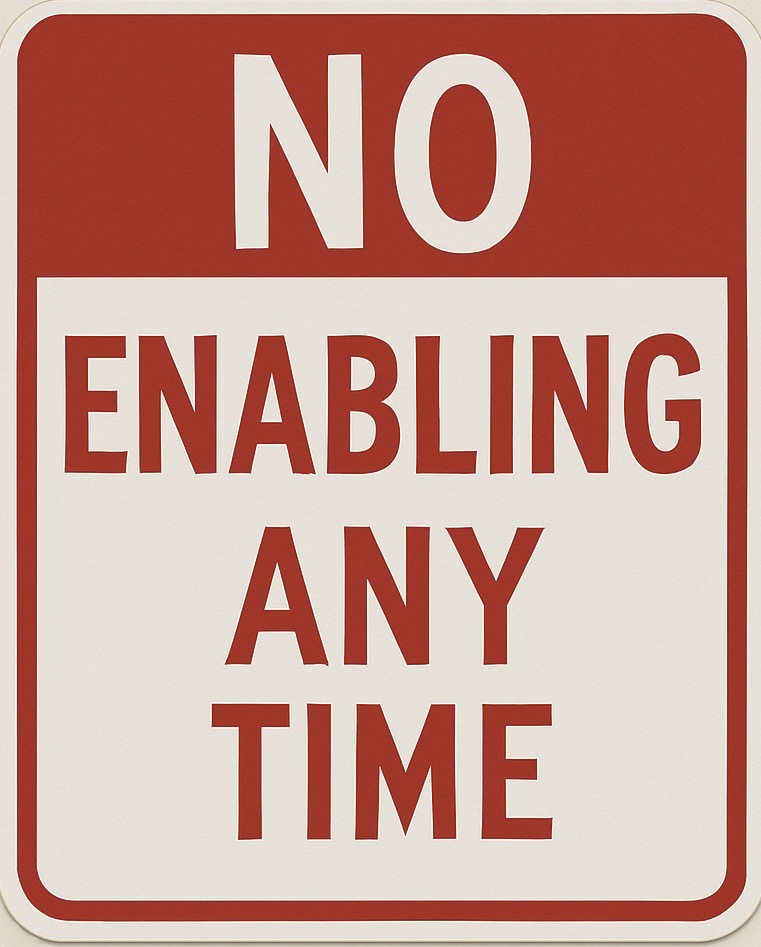

Financial Boundaries With an Addicted Adult Child: What to Stop Paying For
Money is one of the fastest ways families accidentally keep addiction protected. Learn what to stop paying for, what recovery support can still look like, and how to hold the line.
Direct answer
How do I know if I am helping or enabling?
Helping supports responsibility, truth, treatment, and repair. Enabling protects addiction from consequences, usually through money, excuses, housing, secrecy, or emotional rescue.
Reviewed through Matt Brown's family intervention and coaching lens.
Open full answer →Why this is here
Families rarely need more pressure. They need clearer patterns, steadier boundaries, and a next step they can actually hold.
Written from intervention experience
This article is part of No More Enabling’s family education library, shaped by Matt Brown’s work with families affected by addiction, treatment resistance, relapse, and boundary breakdowns since 2004.
Author and editorial reviewer: Matt Brown, professional interventionist and family addiction coach. Medical claims require separate qualified clinical review.
Related next step
Adult child addiction next steps
A parent-focused path for money, housing, treatment refusal, and possible intervention planning.
Open the next-step pageRead this as part of a bigger pattern
If this article hits home, these guided hubs will help you keep reading in a smarter order instead of starting from scratch each time.
Adult Child Addiction Hub
Best when you are asking how to stay loving without becoming the safety net for active addiction.
Open hub →
Financial Enabling Hub
Best when you need to help without becoming the financial safety net that keeps the addiction cycle alive.
Open hub →
Boundaries Hub
Best when your loved one keeps crossing lines and you are tired of repeating yourself.
Open hub →
If this article sounds like your family
Do this next
Parents need guidance that honors the love without letting the addiction use money, housing, guilt, or rescue as the family system.
Next best step
Choose your next step
If this article sounds like your family, use the short assessment to route the situation before the next hard conversation.
When your family needs a real plan
Coaching and intervention guidance with Matt Brown
If articles are helping but the situation at home is still escalating, you can ask for direct help with family alignment, boundaries, treatment refusal, relapse patterns, or deciding whether an intervention makes sense.
High-intent next step
Addiction intervention help when your adult child refuses treatment
Guidance for parents considering addiction intervention help for an adult child who refuses treatment, keeps relapsing, or relies on money and housing rescue.

If you are paying rent, phone bills, car insurance, legal costs, groceries, or emergency expenses for an addicted adult child, the question is not whether you love them. The question is whether the money is helping recovery or quietly protecting the addiction from consequences.
Financial boundaries with an addicted adult child are not about punishment. They are about deciding what you will stop paying for, what recovery support you are still willing to provide, and how to stop letting crisis calls make the decision for you.
Parents often say, "I am not giving them money for drugs. I am paying rent." Or, "I am not enabling. I am making sure the car insurance stays active." That distinction makes sense emotionally, but addiction often benefits from money indirectly.
Why Money Becomes So Complicated
Money can symbolize care, protection, loyalty, and hope. When your adult child is struggling, not helping financially can feel like withdrawing love. But addiction can convert ordinary help into a pressure-release valve.
If your adult child spends money irresponsibly, misses work, loses housing, damages property, or avoids treatment, and the family repeatedly pays the bill, the financial consequence disappears. The addiction gets more room to continue.
Direct And Indirect Financial Enabling
Direct enabling is obvious: giving cash that may be used for substances. Indirect enabling is more subtle. It can include:
- Paying rent after their income went elsewhere
- Covering phone bills while they avoid responsibility
- Paying legal fees again and again
- Replacing damaged cars, phones, or belongings
- Paying debts created during active addiction
- Funding comfort while they refuse treatment
You may not be buying substances. But you may be financing the space around the addiction.
Set A Simple Money Rule
Families often need a rule that is easy to remember under pressure. For example:
"We will support recovery. We will not fund instability."
That might mean no cash, no payment apps, no emergency bailouts, and no repeated bill coverage. It might also mean the family is willing to pay a treatment provider directly, pay for a recovery-related appointment, or help with transportation to care.
Stop Negotiating During Crisis Calls
Financial boundaries collapse most often during emotional calls. Your adult child may be crying, angry, scared, or persuasive. The deadline may be tonight. The landlord, dealer, court, partner, or employer may be part of the pressure.
Do not decide in that state. A useful script is: "I am not making a money decision while we are both panicked. I love you. I am willing to talk about treatment and real support. I am not sending money tonight."
Put The Boundary In Writing
Writing the boundary helps everyone stay aligned. It also prevents the same argument from restarting every week.
Example:
"We love you and want you to get well. Starting today, we are not giving cash, paying rent, paying phone bills, covering legal costs, or replacing lost items. We are willing to help you contact treatment, attend an assessment, or connect with recovery support."
Keep it short. Long explanations invite debate.
Expect The Guilt Wave
When you stop paying, guilt usually surges. That does not mean the boundary is wrong. It means the old system is being challenged. You may feel cruel even when you are doing something necessary.
Get support before the guilt hits. Talk to a family recovery coach, attend a support group, or align with trusted family members who understand the boundary. You should not have to hold this alone.
When Money Is Tied To Safety
Sometimes families worry that refusing money will lead to homelessness, overdose risk, violence, or self-harm. Take those fears seriously. Serious risk calls for professional guidance, crisis support, or emergency services. But do not assume that sending money is the only safety plan. Often it is the only familiar plan.
For U.S. treatment referral information, SAMHSA's National Helpline is 1-800-662-HELP. If someone may be in immediate danger, call emergency services.
Frequently Asked Questions
Should I give money to my addicted adult child?
In most cases, giving cash is risky because it can directly or indirectly support the addiction pattern. A safer boundary is to avoid cash and only consider support that is tied directly to treatment, recovery, or verified essentials within a clear plan.
Is paying rent for my addicted adult child enabling?
It can be. If rent payments repeatedly shield your adult child from the consequences of active addiction or financial irresponsibility, the support may be enabling even if your intention is to prevent homelessness.
What financial help is actually supportive?
Supportive financial help is tied to recovery and accountability. Examples may include paying a treatment provider directly, helping with transportation to care, or supporting a structured plan with clear expectations.
How do I stop paying without creating a huge fight?
You may not be able to prevent conflict. You can reduce chaos by communicating the boundary clearly, putting it in writing, avoiding long debates, and getting family support before the predictable pushback begins.
What if other family members keep giving money?
Family alignment matters. Hold a meeting, name the pattern, and agree on shared financial boundaries. If family members remain divided, a professional can help everyone understand how mixed messages keep the cycle going.
Free family tool
Financial Boundaries Script
A short script for saying no to cash, rent, bills, and last-minute rescue requests without getting pulled into another negotiation.
This does not replace the Family Squares meeting. It gives you a practical tool first, then points you toward the live support room if you need help using it.
Get weekly guidance for families dealing with adult child addiction
Every Sunday, one short email with practical family guidance on boundaries, enabling, relapse, and next steps.
"The Boundaries course gave me language I could actually say out loud without shaking. That was worth everything."
— Spouse, six months in
Trust signals
Source-worthy public resources
These links are not a substitute for medical, legal, or crisis care. They are included to help families verify safety and treatment information from official sources.
Next best answers
If this is what you were really asking
Should I give money to someone with addiction?
Money becomes enabling when it removes consequences, funds instability, or keeps the person from facing the reality of the addiction. Recovery-supporting help should be specific, transparent, and tied to treatment or safety.
Open answer →
How do I stop giving money to someone with addiction?
Stop by replacing open-ended money with clear recovery-supporting offers. You can pay a provider directly, offer a ride to treatment, or help with a specific safety need without handing over cash.
Open answer →
Am I enabling my addicted adult child?
You may be enabling if your help repeatedly shields your adult child from addiction-related consequences, especially through money, housing, excuses, cleanup, or crisis rescue without treatment or accountability.
Open answer →
How do I know if I am helping or enabling?
Helping supports responsibility, truth, treatment, and repair. Enabling protects addiction from consequences, usually through money, excuses, housing, secrecy, or emotional rescue.
Open answer →
Need a steadier next step?
Don’t stop at insight
The families who make progress usually do three things: they get honest about the pattern, choose one clearer next step, and stop trying to manage everything at once.
Helping or Enabling? Tool
Best when you keep second-guessing what support should look like.
Family Support Guide
Best when everything feels heavy, urgent, or emotionally scrambled.
Free Boundaries Course
Best when your limits keep getting negotiated away under pressure.
About Matt Brown and this site
Understand the experience and point of view behind the guidance here.

FamilyBridge
AI support for families across the recovery journey.