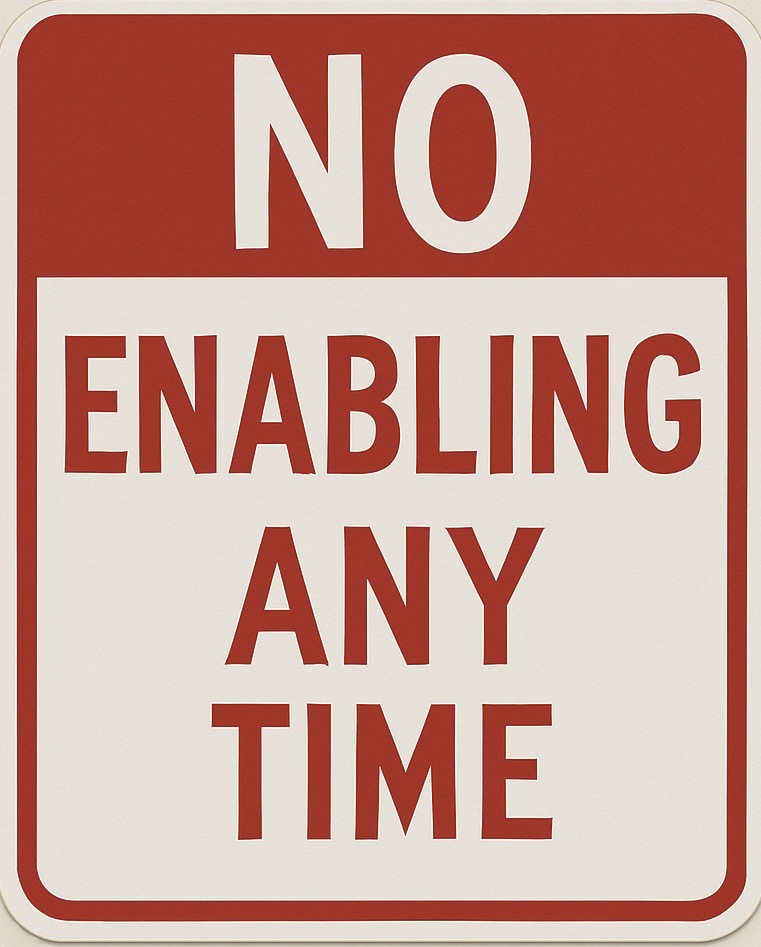

Should I Give Money to Someone With Addiction?
Money requests can arrive wrapped in fear, guilt, and urgency. Learn when financial help supports recovery and when it quietly keeps addiction protected.
Direct answer
How do I know if I am helping or enabling?
Helping supports responsibility, truth, treatment, and repair. Enabling protects addiction from consequences, usually through money, excuses, housing, secrecy, or emotional rescue.
Reviewed through Matt Brown's family intervention and coaching lens.
Open full answer →Why this is here
Families rarely need more pressure. They need clearer patterns, steadier boundaries, and a next step they can actually hold.
Written from intervention experience
This article is part of No More Enabling’s family education library, shaped by Matt Brown’s work with families affected by addiction, treatment resistance, relapse, and boundary breakdowns since 2004.
Author and editorial reviewer: Matt Brown, professional interventionist and family addiction coach. Medical claims require separate qualified clinical review.
Related next step
Get coaching around money and boundaries
If money decisions keep pulling the family into crisis, coaching may help you create a steadier plan.
Open the next-step pageRead this as part of a bigger pattern
If this article hits home, these guided hubs will help you keep reading in a smarter order instead of starting from scratch each time.
Financial Enabling Hub
Best when you need to help without becoming the financial safety net that keeps the addiction cycle alive.
Open hub →
Adult Child Addiction Hub
Best when you are asking how to stay loving without becoming the safety net for active addiction.
Open hub →
Treatment Resistance Hub
Best when conversations about treatment keep failing and the family needs a calmer, more structured next move.
Open hub →
If this article sounds like your family
Do this next
Money questions are rarely only about money. Use the financial enabling path to decide what support points toward recovery.
Next best step
Choose your next step
If this article sounds like your family, use the short assessment to route the situation before the next hard conversation.
When your family needs a real plan
Coaching and intervention guidance with Matt Brown
If articles are helping but the situation at home is still escalating, you can ask for direct help with family alignment, boundaries, treatment refusal, relapse patterns, or deciding whether an intervention makes sense.
High-intent next step
Family addiction coaching with Matt Brown for enabling and boundaries
Get private family addiction coaching from Matt Brown for enabling, boundaries, treatment refusal, relapse, money decisions, and a clear next step.

Few questions create more guilt for families than this one: should I give money to someone with addiction? The answer is rarely simple, because the request usually arrives wrapped in fear. Rent is due. The phone is about to be shut off. They need gas. They say they are hungry. They promise this is the last time.
Direct answer: do not send unrestricted cash when active addiction makes its use uncertain or when your money repeatedly removes consequences. If you choose to help, pay a verified provider or meet a specific need directly, with a limit decided before the next request.
What to do next: pause the transfer and write down one money boundary your family can hold. If the same financial crisis keeps returning, request family addiction coaching before another bailout. If your family already has a recovery or boundary plan but needs shared follow-through, use the FamilyBridge App together.
Money feels practical, but in an addiction cycle it often becomes emotional. Families are not only deciding whether to send funds. They are deciding whether they can tolerate the anxiety, anger, or fear that may follow if they say no.
Why Money Requests Feel So Urgent
Addiction often creates real financial damage. Missed work, legal trouble, damaged relationships, medical bills, and unstable housing can all become part of the pattern. When your loved one asks for money, the crisis may be real. But a real crisis does not automatically mean cash is the right kind of help.
SAMHSA emphasizes that family support can matter when someone is dealing with mental health or substance use concerns. The hard part is choosing support that points toward recovery instead of support that quietly keeps the same cycle alive.
When Giving Money Becomes Enabling
Giving money can become enabling when it repeatedly protects the person from the financial consequences of active addiction. That does not mean every dollar is harmful. It means the pattern matters.
Money may be enabling if:
- You keep paying after promises are broken
- You do not know where the money actually goes
- Your help makes it easier for them to avoid treatment, work, or accountability
- You feel pressured, threatened, or manipulated into sending it
- The same emergency returns every few weeks
- You are hiding the financial help from your spouse, family, or support system
The question is not, "Do I love them enough to help?" The better question is, "Does this help make recovery more possible, or does it keep addiction protected from reality?"
Cash Is Usually The Riskiest Form Of Help
Cash, peer-to-peer payment apps, prepaid cards, and open-ended transfers are usually the hardest to keep recovery-aligned. Once the money leaves your account, you have little control over how it is used. Even when your loved one fully intends to use it responsibly, active addiction can override intention quickly.
If you decide to help financially, consider removing cash from the equation. Pay a legitimate provider directly. Buy groceries instead of sending money. Pay for a treatment assessment, therapy appointment, or transportation to care if that fits the situation. Keep the help specific, documented, and connected to health or stability.
Use A Recovery-Aligned Filter
Before giving money, pause long enough to ask:
- What exact problem am I trying to solve?
- Will this help create stability, or only delay the next crisis?
- Is this connected to treatment, safety, employment, or recovery?
- Am I giving because I choose to, or because I am afraid of their reaction?
- Have I given this same help before with no meaningful change?
- Can I afford this without resentment, secrecy, or harm to my own household?
If the answers are unclear, slow down. Addiction often relies on urgency. A pause can protect the whole family from making a panic-based decision.
What To Say Instead Of Sending Money
A financial boundary lands better when it is brief and specific. Long explanations often become negotiation. Try language like:
- "I love you, and I am not sending cash."
- "I will help you call treatment options, but I will not pay for another crisis created by use."
- "I can buy groceries today. I am not transferring money."
- "I will not keep funding the same pattern. I am willing to support real help."
Your loved one may not like the boundary. That does not mean it is wrong. A healthy limit often feels cruel to the part of the system that depended on no limit existing.
When Safety Is Part Of The Money Request
Sometimes the request includes threats, withdrawal fears, homelessness risk, violence, or talk of self-harm. Do not try to handle those situations through money alone. If there is immediate danger, call emergency services or a crisis line. If the situation is not immediate but feels unstable, get professional guidance before sending money under pressure.
NIDA notes that addiction treatment is a long-term process, and effective treatment often includes medical care, counseling, support, and attention to the person's broader life needs. A one-time transfer rarely creates that structure by itself.
Better Forms Of Financial Support
Support can still exist after cash stops. Families can help in ways that are more structured:
- Pay a treatment center, therapist, doctor, or recovery service directly
- Buy food or essentials instead of sending money
- Offer a ride to an assessment or meeting
- Help replace identification needed for treatment or employment
- Contribute to sober living only when expectations are written and verified
- Work with a family coach or interventionist before another bailout
The goal is not to punish. The goal is to stop letting money absorb consequences that addiction needs to face.
When The Family Needs A Unified Plan
If one family member keeps saying no while another keeps sending money, the addiction will usually move toward the easier door. Financial boundaries work best when the family aligns in advance. Decide what you will pay for, what you will not pay for, how you will respond to emergencies, and who will communicate the boundary.
If your family keeps getting pulled into the same money crisis, Sober Helpline can help you talk through next steps. If financial rescue is part of a larger refusal to accept treatment, Freedom Interventions may be the more structured path.
Frequently Asked Questions
Is it always enabling to give money to someone with addiction?
No. But it becomes risky when money repeatedly removes consequences, is used without accountability, or allows the same addiction-driven crisis to keep repeating.
What if they need money for food?
Consider buying food directly instead of sending cash. That lets you respond to a real need without creating an open-ended transfer that can be redirected.
Should I pay for treatment?
Paying a legitimate provider directly can be recovery-aligned, especially when there is a clear treatment plan. Avoid handing over cash and hoping it becomes treatment.
What if they get angry when I say no?
Anger is painful, but it does not automatically mean the boundary is wrong. Keep the message short, calm, and consistent. If threats or safety concerns appear, involve appropriate crisis support.
How do I stop giving money after years of doing it?
Start with one clear statement: "I will no longer send cash. I am willing to support recovery-focused help." Then tell the rest of the family so the boundary is not undermined in private.
Free family tool
Financial Boundaries Script
A short script for saying no to cash, rent, bills, and last-minute rescue requests without getting pulled into another negotiation.
This does not replace the Family Squares meeting. It gives you a practical tool first, then points you toward the live support room if you need help using it.
Get weekly guidance for families dealing with financial enabling
Every Sunday, one short email with practical family guidance on boundaries, enabling, relapse, and next steps.
"The Boundaries course gave me language I could actually say out loud without shaking. That was worth everything."
— Spouse, six months in
Trust signals
Source-worthy public resources
These links are not a substitute for medical, legal, or crisis care. They are included to help families verify safety and treatment information from official sources.
Next best answers
If this is what you were really asking
How do I stop giving money to someone with addiction?
Stop by replacing open-ended money with clear recovery-supporting offers. You can pay a provider directly, offer a ride to treatment, or help with a specific safety need without handing over cash.
Open answer →
How do I stop enabling without abandoning someone I love?
Stop doing what protects the addiction, but stay available for recovery-supporting action. The goal is not less love. The goal is cleaner support.
Open answer →
Should I give money to someone with addiction?
Money becomes enabling when it removes consequences, funds instability, or keeps the person from facing the reality of the addiction. Recovery-supporting help should be specific, transparent, and tied to treatment or safety.
Open answer →
What if the other house is running a different plan?
Two houses. One disease. If one parent pays rent and the other hands over the keys, nothing holds. Money, housing, and contact have to be the same line in both kitchens. You cannot control the other house. You can stop being the second rescue.
Open answer →
Need a steadier next step?
Don’t stop at insight
The families who make progress usually do three things: they get honest about the pattern, choose one clearer next step, and stop trying to manage everything at once.
Helping or Enabling? Tool
Best when you keep second-guessing what support should look like.
Family Support Guide
Best when everything feels heavy, urgent, or emotionally scrambled.
Free Boundaries Course
Best when your limits keep getting negotiated away under pressure.
About Matt Brown and this site
Understand the experience and point of view behind the guidance here.

FamilyBridge
AI support for families across the recovery journey.