What this usually means
The pattern underneath the question
The family is trying to decide whether a specific action is love or rescue.
Direct answer
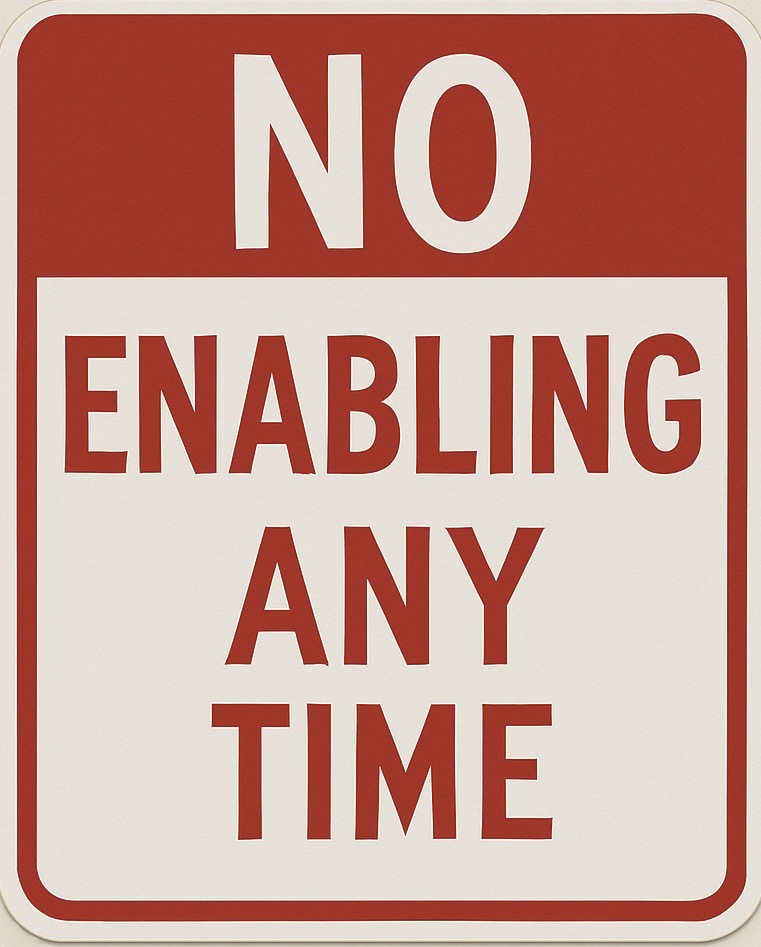
Helping supports responsibility, truth, treatment, and repair. Enabling protects addiction from consequences, usually through money, excuses, housing, secrecy, or emotional rescue.
Matt Brown is a professional interventionist and family addiction coach. These answers are written for families trying to stop enabling without losing clarity, love, or safety.
About MattWhat this usually means
The family is trying to decide whether a specific action is love or rescue.
What to do next
Ask whether the help increases responsibility or removes it.
Separate emotional support from money, housing, secrecy, or cleanup.
Offer support that points toward treatment, honesty, and repair.
When to get help
If the same rescue decision keeps repeating, the family may need coaching before the next crisis resets the pattern.
Boundaries
Do not renegotiate the boundary in the heat of the moment. Follow through calmly, document the pattern, and review whether the boundary was specific enough to hold.
Codependency
Codependency is the pattern where a family member becomes over-responsible for another person's addiction, emotions, consequences, or recovery.
Financial enabling
Stop by replacing open-ended money with clear recovery-supporting offers. You can pay a provider directly, offer a ride to treatment, or help with a specific safety need without handing over cash.
Keep following the pattern
These clusters keep the family moving from one isolated question into the next useful decision.