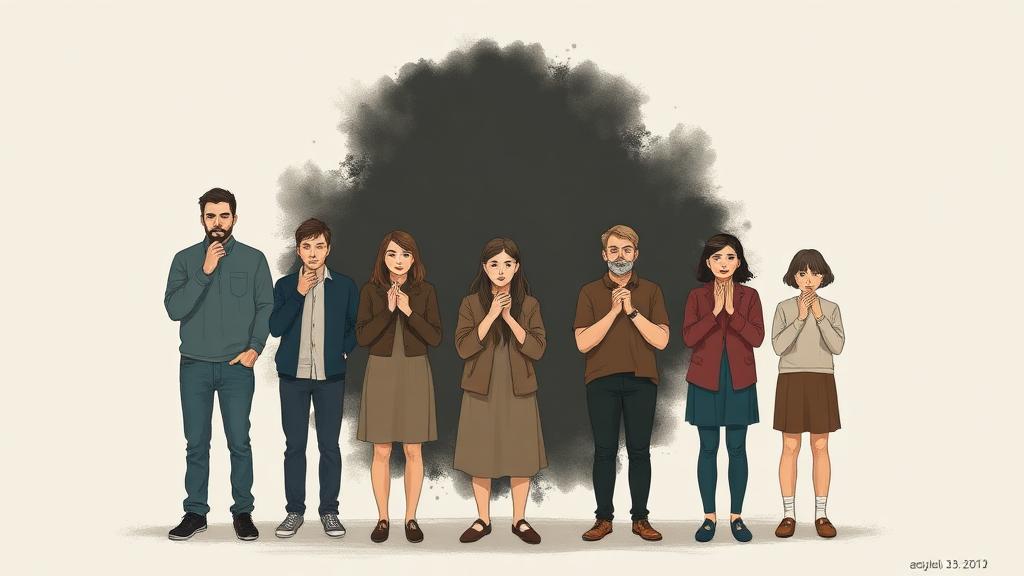

Fentanyl Addiction: Understanding the Danger and the Hope for Recovery
Fentanyl addiction is devastatingly powerful, but long-term recovery is absolutely possible when someone has the right support and is willing to do the work. Families can play a crucial role by understanding both the real dangers of fentanyl and the real hope of sustained sobriety.
Direct answer
How do I stop enabling without abandoning someone I love?
Stop doing what protects the addiction, but stay available for recovery-supporting action. The goal is not less love. The goal is cleaner support.
Reviewed through Matt Brown's family intervention and coaching lens.
Open full answer →Why this is here
Families rarely need more pressure. They need clearer patterns, steadier boundaries, and a next step they can actually hold.
Written from intervention experience
This article is part of No More Enabling’s family education library, shaped by Matt Brown’s work with families affected by addiction, treatment resistance, relapse, and boundary breakdowns since 2004.
Author and editorial reviewer: Matt Brown, professional interventionist and family addiction coach. Medical claims require separate qualified clinical review.
Read this as part of a bigger pattern
If this article hits home, these guided hubs will help you keep reading in a smarter order instead of starting from scratch each time.
Recovery Hub
Best when you are asking what support should look like now, not just what went wrong before.
Open hub →
After Treatment Hub
Best when the crisis is quieter but the family still needs structure, support, and clear limits.
Open hub →
Family Dynamics Hub
Best when everything feels confusing, emotionally loaded, and harder to explain than it should be.
Open hub →
If this article sounds like your family
Do this next
If this article feels close to home, the best next move is a steadier starting point instead of more frantic searching.
When your family needs a real plan
Coaching and intervention guidance with Matt Brown
If articles are helping but the situation at home is still escalating, you can ask for direct help with family alignment, boundaries, treatment refusal, relapse patterns, or deciding whether an intervention makes sense.
Fentanyl addiction is devastatingly powerful, but long-term recovery is absolutely possible when someone has the right support and is willing to do the work. Families can play a crucial role by understanding both the real dangers of fentanyl and the real hope of sustained sobriety.
What fentanyl actually is
Fentanyl is a synthetic opioid originally developed as a prescription medication for severe pain, especially in cancer and post-surgical patients. In medical settings it is carefully dosed and monitored, but illicit fentanyl made and sold on the street is often mixed into heroin, counterfeit pills, or other drugs, making it much easier to overdose.
Even at tiny doses, fentanyl can slow or stop breathing by depressing the parts of the brain that control respiration. Because it is so potent, people who use it can quickly move from "nodding off" to a life-threatening overdose, often before anyone around them realizes what is happening.
Why fentanyl is so addictive
Like other opioids, fentanyl floods the brain's reward system with signals that reduce pain and create intense feelings of relief or euphoria. With repeated use, the brain adapts: tolerance builds, meaning the person needs more of the drug to feel the same effect, and dependence develops, meaning they feel physically ill without it.
When someone who is dependent on fentanyl stops using, they can experience withdrawal symptoms such as agitation, anxiety, sweating, and shaking, along with powerful cravings. These symptoms are not a sign of weakness or lack of willpower; they are the result of real changes in brain chemistry and the body's attempt to re-balance without the drug.
The truth about touching fentanyl
One of the most persistent myths about fentanyl is that a person can overdose simply by brushing against a pill on the ground or briefly touching powder on a surface. Public health agencies report that there are no confirmed cases of members of the general public overdosing from casual skin contact with fentanyl pills or powder. Fentanyl can cross the skin, but meaningful absorption requires prolonged, sustained contact and usually a medical-grade formulation designed to be absorbed through the skin, such as a prescription patch.
This does not mean fentanyl is safe to handle casually; it is still wise to avoid direct contact, use gloves if something suspicious must be moved, and wash with soap and water rather than alcohol-based sanitizers, which can increase skin absorption. For first responders and families, understanding this myth matters: people should absolutely treat fentanyl as dangerous, but panic over brief skin contact can distract from real risks and from responding quickly and calmly to actual overdoses.
Real risks that must not be minimized
While casual touch is unlikely to cause overdose, inhaling or ingesting fentanyl, or injecting drugs contaminated with it, can be fatal within minutes. Illicit fentanyl is often unevenly mixed, meaning one pill or bag can contain far higher concentrations than another, so even experienced users cannot reliably predict how much they are taking.
Families should also know that fentanyl is increasingly found in counterfeit prescription tablets and in drugs like cocaine or methamphetamine, exposing people who may not realize they are taking an opioid at all. This is one reason overdose deaths have risen sharply, and why widespread availability of naloxone (the medication that reverses opioid overdoses) and training in its use are so critical.
How recovery from fentanyl use begins
Despite its power, fentanyl addiction responds to treatment, and recovery is possible at any stage. Treatment often begins with medically supervised detox, where health professionals help a person withdraw as safely and comfortably as possible, monitoring vital signs and managing symptoms.
Medications for opioid use disorder, such as buprenorphine or methadone, can stabilize the brain, reduce cravings, and dramatically lower the risk of overdose and relapse. These medications are not "substituting one drug for another"; rather, they are evidence-based treatments for a chronic illness, similar to taking insulin for diabetes. When combined with counseling, peer support, and practical help with housing, employment, and mental health, they give people a real chance to rebuild their lives.
Hopeful long-term outcomes
People do recover from fentanyl and other opioid addictions, often going on to repair relationships, pursue meaningful work, and serve as mentors to others still struggling. Treatment organizations and health agencies continually share stories of people who spent years caught in opioid use, including fentanyl, and now live in stable recovery, sometimes for a decade or more.
Recovery is rarely a straight line; there may be lapses or relapses along the way, but these do not erase progress or mean that long-term sobriety is out of reach. With ongoing support, adjustments in treatment, and a network that encourages honesty rather than shame, many people achieve enduring recovery even after multiple attempts.
How families can support healing
For families, the most powerful tools are education, compassion, and consistent boundaries. Learning about fentanyl, overdose prevention, and available treatments helps relatives move from fear and confusion to informed action. Approaching a loved one with concern rather than blame—"you deserve help and you're not alone"—makes it more likely they will accept support than conversations built on anger or ultimatums.
At the same time, healthy boundaries matter: families can refuse to fund substance use while still offering rides to treatment, encouragement, and a place at the table when their loved one seeks help. Connecting with support groups for families affected by addiction can reduce isolation, offer practical strategies, and remind relatives that their own well-being is important too.
Fentanyl is a deadly drug, but it does not get the final word in someone's story. With evidence-based treatment, a willingness to seek help, and the steady presence of informed, hopeful family members, long-term recovery is not just possible—it is happening every day.
Free family tool
Family Rules After Rehab Worksheet
A simple worksheet for turning post-treatment hope into clear house rules, communication expectations, and relapse-response agreements.
This does not replace the Family Squares meeting. It gives you a practical tool first, then points you toward the live support room if you need help using it.
Get weekly guidance for families dealing with addiction
Every Sunday, one short email with practical family guidance on boundaries, enabling, relapse, and next steps.
"Practical, not preachy. It reads like someone who has actually sat with families instead of a wellness blog."
— Sister of a brother in relapse
Trust signals
Source-worthy public resources
These links are not a substitute for medical, legal, or crisis care. They are included to help families verify safety and treatment information from official sources.
SAMHSA
National Helpline
Treatment referral and information for individuals and families facing mental health or substance use concerns.
CDC
What to Do If You Think Someone Is Overdosing
Emergency overdose response guidance, including recognizing overdose and using naloxone.
988 Suicide & Crisis Lifeline
What to Expect When You Contact 988
What happens when someone calls, texts, or chats with 988 for suicide, mental health, or emotional crisis support.
Next best answers
If this is what you were really asking
How do I stop enabling without abandoning someone I love?
Stop doing what protects the addiction, but stay available for recovery-supporting action. The goal is not less love. The goal is cleaner support.
Open answer →
How should a family respond to relapse without enabling?
Respond to relapse with safety, honesty, and structure. Do not erase the consequence, rewrite the story, or rebuild the old rescue pattern.
Open answer →
What should a family do after a loved one overdoses?
Treat an overdose as a medical and family-system emergency. After immediate medical care, the family should stop minimizing the risk, align quickly, prepare treatment options, and get professional guidance before the next crisis.
Open answer →
Should our family meet before confronting someone about addiction?
Yes. Families should align before a major conversation whenever safety, treatment refusal, money, housing, or children are involved. A divided family usually gives addiction more room to maneuver.
Open answer →
Need a steadier next step?
Don’t stop at insight
The families who make progress usually do three things: they get honest about the pattern, choose one clearer next step, and stop trying to manage everything at once.
Helping or Enabling? Tool
Best when you keep second-guessing what support should look like.
Family Support Guide
Best when everything feels heavy, urgent, or emotionally scrambled.
Free Boundaries Course
Best when your limits keep getting negotiated away under pressure.
About Matt Brown and this site
Understand the experience and point of view behind the guidance here.

FamilyBridge
AI support for families across the recovery journey.