How Families Normalize Stress Until Exhaustion Feels Like the Baseline
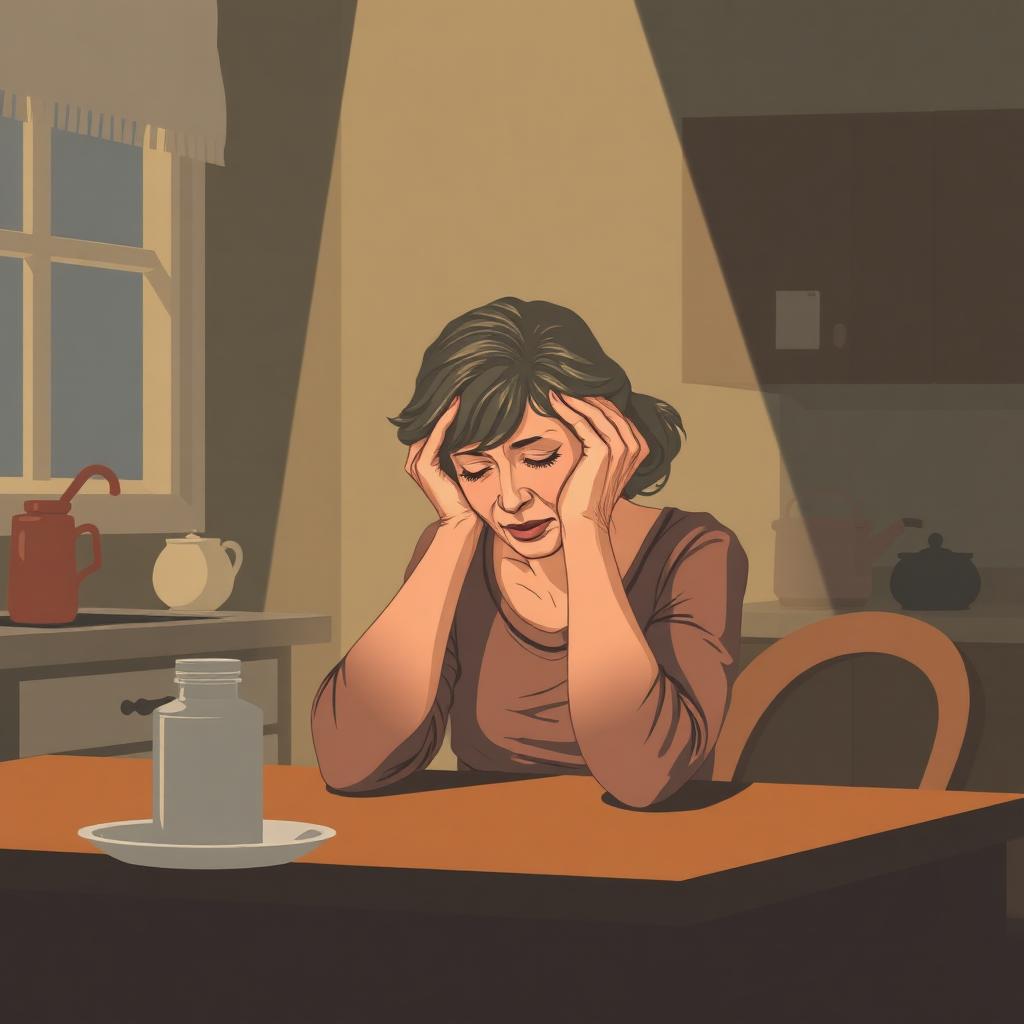
Many families living with addiction don't realize how exhausted they are. Stress becomes constant, crises feel routine, and exhaustion stops registering as a warning sign. When overload becomes normal, families lose clarity, boundaries weaken, and enabling behaviors increase—not because families don't care, but because they're depleted.
Direct answer
How do I know if I am helping or enabling?
Helping supports responsibility, truth, treatment, and repair. Enabling protects addiction from consequences, usually through money, excuses, housing, secrecy, or emotional rescue.
Reviewed through Matt Brown's family intervention and coaching lens.
Open full answer →Why this is here
Families rarely need more pressure. They need clearer patterns, steadier boundaries, and a next step they can actually hold.
Written from intervention experience
This article is part of No More Enabling’s family education library, shaped by Matt Brown’s work with families affected by addiction, treatment resistance, relapse, and boundary breakdowns since 2004.
Author and editorial reviewer: Matt Brown, professional interventionist and family addiction coach. Medical claims require separate qualified clinical review.
Read this as part of a bigger pattern
If this article hits home, these guided hubs will help you keep reading in a smarter order instead of starting from scratch each time.
Enabling Hub
Best when you keep wondering whether your support is helping or making the pattern worse.
Open hub →
Boundaries Hub
Best when your loved one keeps crossing lines and you are tired of repeating yourself.
Open hub →
Codependency Hub
Best when exhaustion, guilt, hypervigilance, and over-functioning have become normal.
Open hub →
If this article sounds like your family
Do this next
If the real issue is holding the line, don’t stop at reading. Work through the boundaries course next.
Next best step
Choose your next step
If this article sounds like your family, use the short assessment to route the situation before the next hard conversation.
When your family needs a real plan
Coaching and intervention guidance with Matt Brown
If articles are helping but the situation at home is still escalating, you can ask for direct help with family alignment, boundaries, treatment refusal, relapse patterns, or deciding whether an intervention makes sense.
High-intent next step
Family addiction coaching with Matt Brown for enabling and boundaries
Get private family addiction coaching from Matt Brown for enabling, boundaries, treatment refusal, relapse, money decisions, and a clear next step.

Many families living with addiction don't realize how exhausted they are. Stress becomes constant, crises feel routine, and exhaustion stops registering as a warning sign. When overload becomes normal, families lose clarity, boundaries weaken, and enabling behaviors increase—not because families don't care, but because they're depleted. Understanding how stress gets normalized helps families interrupt burnout before it quietly takes over.
How "This Is Just How It Is" Slowly Takes Hold
Chronic stress rarely announces itself.
It creeps in quietly:
- Late-night calls become expected
- Emergencies become predictable
- Sleep disruption becomes normal
- Anxiety becomes background noise
Families don't notice the shift because it happens gradually.
What once felt intolerable becomes familiar. And familiarity gets mistaken for stability.
Why Families Stop Noticing They're Burned Out
Burnout isn't always dramatic.
In addiction-affected families, it often looks like:
- Emotional numbness
- Shorter patience
- Difficulty making decisions
- Lower expectations
- Resignation disguised as acceptance
Families tell themselves they're "handling it" when they're actually running on fumes.
Exhaustion becomes the baseline—and warning signs get ignored.
How Constant Stress Changes Decision-Making
Chronic stress narrows perspective.
When families are exhausted, they:
- Choose the fastest solution, not the healthiest
- Avoid conflict to preserve energy
- Delay decisions that feel overwhelming
- Default to familiar patterns
Stress doesn't make families careless.
It makes them conserve energy—often at the expense of boundaries.
Why Exhaustion Fuels Enabling (Without Intent)
Enabling isn't always about denial or fear.
Sometimes it's about fatigue.
When families are exhausted:
- It's easier to give in than hold firm
- It's easier to fix than explain
- It's easier to absorb consequences than confront them
These choices reduce immediate stress—but increase long-term strain.
Enabling becomes a coping strategy, not a belief system.
The Hidden Cost of Always Being "On Call"
Many families live in a state of readiness.
Phones stay on.
Plans stay flexible.
Emotional availability stays constant.
This hyper-responsiveness feels loving—but it's unsustainable.
Being "on call" trains the system that:
- Boundaries are secondary
- Urgency overrides consistency
- Family needs are optional
Over time, families lose the ability to rest without guilt.
Why Calm Feels Uncomfortable After Chronic Stress
One of the strangest effects of normalized stress is discomfort during calm.
Families feel uneasy when:
- Things are quiet
- No crisis is happening
- There's nothing to fix
They wonder:
"What's about to happen?"
"What am I missing?"
Stress becomes familiar.
Calm feels suspicious.
How Exhaustion Shrinks Family Bandwidth
Burnout reduces capacity.
Families notice:
- Less patience for nuance
- Difficulty seeing options
- Black-and-white thinking
- Emotional reactivity
This makes thoughtful boundary-setting harder.
Families aren't unwilling to change—they're too depleted to sustain it.
Why Families Feel Guilty for Needing Rest
Many families believe rest is indulgent.
They think:
"How can I rest when things are this bad?"
"If I step back, something will happen."
This guilt keeps families trapped in overextension.
But constant vigilance doesn't prevent crises.
It just exhausts the people trying to manage them.
How Stress Becomes the Decision-Maker
When families are depleted, stress starts making decisions.
It decides:
- What conversations to avoid
- Which boundaries feel "too hard"
- When to step in
- When to stay silent
This isn't intentional.
It's neurological.
Exhausted brains seek relief—not strategy.
Why Burnout Delays Effective Help
Burned-out families often delay professional support.
They think:
"We should handle this ourselves."
"We don't have the energy for something new."
"Let's just get through today."
Ironically, exhaustion makes it harder to access the very help that could reduce it.
What Rest Actually Makes Possible
Rest isn't withdrawal.
It's restoration.
When families regain energy:
- Clarity improves
- Boundaries feel possible
- Consistency returns
- Decision-making stabilizes
Rest creates the capacity required for change.
Without it, even good intentions collapse.
Why Support Is Not a Luxury
Families often treat support as optional.
But support provides:
- Perspective outside the crisis
- Relief from constant responsibility
- Shared accountability
- Emotional containment
Support doesn't add to the load.
It redistributes it.
A More Honest Family Question
Instead of asking:
"How do we keep doing this?"
Ask:
"What has this level of stress cost us—and what would change if we weren't this depleted?"
That question reframes exhaustion as information—not failure.
A Clearer Path Forward
Families don't normalize stress because they're weak.
They do it because they adapt—and adaptation keeps things going.
But survival mode is not a long-term strategy.
When exhaustion becomes the baseline, clarity disappears, boundaries erode, and enabling fills the gap.
The most compassionate thing families can do is recognize burnout for what it is—and stop organizing family life around it.
Rest isn't quitting.
It's what makes change sustainable.
Free family tool
Family Rules After Rehab Worksheet
A simple worksheet for turning post-treatment hope into clear house rules, communication expectations, and relapse-response agreements.
This does not replace the Family Squares meeting. It gives you a practical tool first, then points you toward the live support room if you need help using it.
Get weekly guidance for families dealing with codependency
Every Sunday, one short email with practical family guidance on boundaries, enabling, relapse, and next steps.
"Practical, not preachy. It reads like someone who has actually sat with families instead of a wellness blog."
— Sister of a brother in relapse
Trust signals
Source-worthy public resources
These links are not a substitute for medical, legal, or crisis care. They are included to help families verify safety and treatment information from official sources.
Next best answers
If this is what you were really asking
How do I know if I am helping or enabling?
Helping supports responsibility, truth, treatment, and repair. Enabling protects addiction from consequences, usually through money, excuses, housing, secrecy, or emotional rescue.
Open answer →
What is codependency in addiction families?
Codependency is the pattern where a family member becomes over-responsible for another person's addiction, emotions, consequences, or recovery.
Open answer →
What if the other house is running a different plan?
Two houses. One disease. If one parent pays rent and the other hands over the keys, nothing holds. Money, housing, and contact have to be the same line in both kitchens. You cannot control the other house. You can stop being the second rescue.
Open answer →
How do I stop enabling without abandoning someone I love?
Stop doing what protects the addiction, but stay available for recovery-supporting action. The goal is not less love. The goal is cleaner support.
Open answer →
Need a steadier next step?
Don’t stop at insight
The families who make progress usually do three things: they get honest about the pattern, choose one clearer next step, and stop trying to manage everything at once.
Helping or Enabling? Tool
Best when you keep second-guessing what support should look like.
Family Support Guide
Best when everything feels heavy, urgent, or emotionally scrambled.
Free Boundaries Course
Best when your limits keep getting negotiated away under pressure.
About Matt Brown and this site
Understand the experience and point of view behind the guidance here.

FamilyBridge
AI support for families across the recovery journey.