
When Addiction, Threats, or Violence Enter the Home
Threats and violence are safety issues, even when addiction is involved. Learn when to call for help and why safety comes before treatment planning.
Direct answer
How do I know if I am helping or enabling?
Helping supports responsibility, truth, treatment, and repair. Enabling protects addiction from consequences, usually through money, excuses, housing, secrecy, or emotional rescue.
Reviewed through Matt Brown's family intervention and coaching lens.
Open full answer →Why this is here
Families rarely need more pressure. They need clearer patterns, steadier boundaries, and a next step they can actually hold.
Written from intervention experience
This article is part of No More Enabling’s family education library, shaped by Matt Brown’s work with families affected by addiction, treatment resistance, relapse, and boundary breakdowns since 2004.
Author and editorial reviewer: Matt Brown, professional interventionist and family addiction coach. Medical claims require separate qualified clinical review.
Related next step
Intervention help after safety is addressed
If immediate danger is handled and the family needs a plan, start with this intervention page.
Open the next-step pageRead this as part of a bigger pattern
If this article hits home, these guided hubs will help you keep reading in a smarter order instead of starting from scratch each time.
Crisis and Safety Hub
Best when you need to know what to do first, who to call, and how to stop treating danger like a normal family conflict.
Open hub →
Spouse or Partner Addiction Hub
Best when you are asking how to love someone without surrendering your safety, children, money, or sense of reality.
Open hub →
Adult Child Addiction Hub
Best when you are asking how to stay loving without becoming the safety net for active addiction.
Open hub →
If this article sounds like your family
Do this next
When safety is involved, the next step should be clear and proportionate. Start with the crisis and safety path before another conversation.
Next best step
Choose your next step
If this article sounds like your family, use the short assessment to route the situation before the next hard conversation.
When your family needs a real plan
Coaching and intervention guidance with Matt Brown
If articles are helping but the situation at home is still escalating, you can ask for direct help with family alignment, boundaries, treatment refusal, relapse patterns, or deciding whether an intervention makes sense.
High-intent next step
Family addiction coaching with Matt Brown for enabling and boundaries
Get private family addiction coaching from Matt Brown for enabling, boundaries, treatment refusal, relapse, money decisions, and a clear next step.

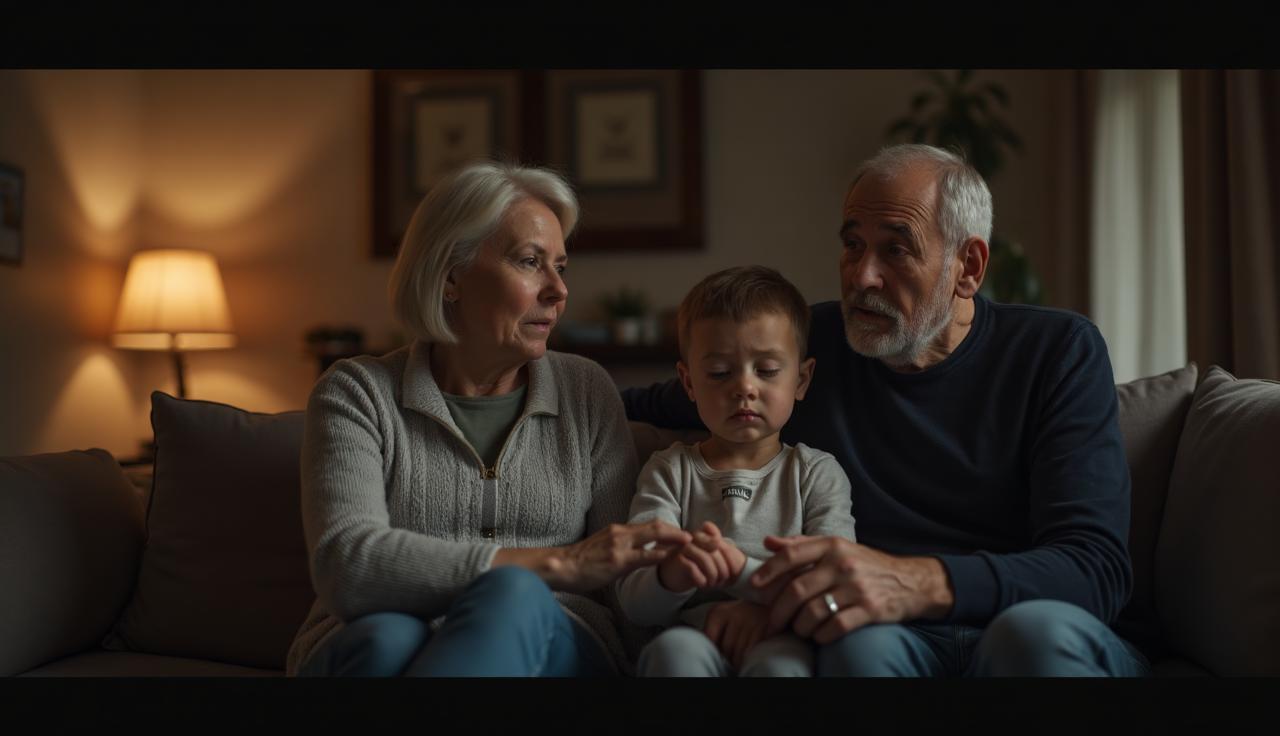
When addiction, threats, or violence enter the home, the family often freezes. People tell themselves it was the substance talking, that it will not happen again, or that calling for help will ruin the person's life.
Threats and violence are safety issues. Addiction may be part of the context, but it does not make danger acceptable.
Take Threats Seriously
Threats to harm you, children, pets, themselves, or others should be treated as real safety information. So should intimidation, blocking exits, destroying property, reckless driving, weapons, stalking, or forced isolation.
If there is immediate danger, call emergency services. If suicidal threats are present, call or text 988 in the United States.
Do Not Mediate Violence Alone
Trying to calm an intoxicated or escalating person can put you at risk. Leave if you safely can. Go to a locked room only if exit is impossible. Contact trusted people and emergency help.
The CDC describes intimate partner violence as a serious public health issue with lasting harm. Substance use does not excuse abusive behavior.
Protect Children From The Scene
Children should not be asked to intervene, calm the adult, hide evidence, or keep secrets. If children witness threats or violence, they need reassurance and adult protection.
If children are in danger, call emergency services or appropriate child safety resources.
Recovery Support Can Come After Safety
It is compassionate to want your loved one to get treatment. But treatment planning cannot come before immediate safety. First stabilize danger. Then involve professionals who understand addiction, domestic violence risk, mental health crisis, and family safety.
Frequently Asked Questions
What if they only threaten me when using?
It still matters. Intoxication does not erase risk. Treat the pattern as a safety issue.
Should I stay to keep them calm?
If staying puts you at risk, prioritize safety. You are not responsible for managing violence alone.
Can an intervention happen when there has been violence?
Only with professional guidance and safety planning. Do not organize a confrontation when violence risk is active.
Free family tool
Parent Boundary Checklist
A decision checklist for parents who are trying to stay loving without becoming the housing, money, and rescue system for active addiction.
This does not replace the Family Squares meeting. It gives you a practical tool first, then points you toward the live support room if you need help using it.
Get weekly guidance for families dealing with crisis and safety
Every Sunday, one short email with practical family guidance on boundaries, enabling, relapse, and next steps.
"The Boundaries course gave me language I could actually say out loud without shaking. That was worth everything."
— Spouse, six months in
Trust signals
Source-worthy public resources
These links are not a substitute for medical, legal, or crisis care. They are included to help families verify safety and treatment information from official sources.
SAMHSA
National Helpline
Treatment referral and information for individuals and families facing mental health or substance use concerns.
988 Suicide & Crisis Lifeline
What to Expect When You Contact 988
What happens when someone calls, texts, or chats with 988 for suicide, mental health, or emotional crisis support.
SAMHSA
FindTreatment.gov
Federal treatment locator for substance use and mental health services in the United States.
Next best answers
If this is what you were really asking
What should I do if addiction is affecting children in the home?
When children are affected, the question changes from comfort to protection. The family needs immediate clarity around safety, exposure, emotional harm, supervision, transportation, and what adults will no longer excuse.
Open answer →
How do I set boundaries with an addicted spouse?
Spouse boundaries must protect safety, money, children, emotional stability, and truth. A boundary is what you will do if the pattern continues, not a threat to control your partner.
Open answer →
Should I kick my addicted adult child out?
Do not make the housing decision as a sudden punishment. Decide what conditions protect safety, sobriety, children, money, and the household, then make the next step clear and realistic.
Open answer →
What should I do if my loved one is using drugs in my house?
Treat drug use in the home as a safety issue, not just a behavior issue. Protect children, medications, vehicles, valuables, and your own stability, then set a boundary the household can actually enforce.
Open answer →
Need a steadier next step?
Don’t stop at insight
The families who make progress usually do three things: they get honest about the pattern, choose one clearer next step, and stop trying to manage everything at once.
Helping or Enabling? Tool
Best when you keep second-guessing what support should look like.
Family Support Guide
Best when everything feels heavy, urgent, or emotionally scrambled.
Free Boundaries Course
Best when your limits keep getting negotiated away under pressure.
About Matt Brown and this site
Understand the experience and point of view behind the guidance here.

FamilyBridge
AI support for families across the recovery journey.