Crisis and Safety
What to Do When Addiction Makes Home Unsafe
When addiction makes home unsafe, families need a safety plan before another conversation. Learn what counts as danger and what to do first.
May 1, 20267 min read
Safety-first guidance for families facing unsafe homes, drug use in the house, theft, threats, violence, impaired driving, or crisis uncertainty.
This hub is for families who are no longer dealing only with worry. Something about the home, the behavior, or the risk level has become unsafe.
Best when you need to know what to do first, who to call, and how to stop treating danger like a normal family conflict.
Start here if…
the same family pattern keeps repeating and you need a clearer lens before you act again.
Use this hub to…
read in a smarter order, choose one next step, and stop bouncing between random articles.
Pillar guide
Families searching during urgent addiction-related situations involving unsafe housing, theft, threats, violence, drug use in the home, overdose risk, or uncertainty about who to call.
Families often try to talk their way through situations that have already become dangerous. This hub makes the first question clearer: is anyone in immediate danger? If so, the next step is emergency or crisis support, not another family debate.
Crisis searches are high urgency and high trust. These readers may be looking for help at midnight, after theft, after threats, or after discovering drug use at home. Clear guidance builds credibility and routes people to the right level of help.
The reading path moves from unsafe home recognition into specific scenarios, then to the decision about who to call. The business path should be careful: emergencies go to emergency help; non-emergency but escalating family systems route to Sober Helpline, Matt, or Freedom Interventions.
High-intent next step
Learn when addiction intervention help may be appropriate, what families should prepare, and how to request private guidance from Matt Brown.
Questions this hub answers
What do I do when addiction makes home unsafe?
What if my loved one is using drugs in my house?
What if an addicted loved one steals from me?
Should I call 911, 988, treatment, or an interventionist?
Why families trust this
This hub is meant to help families read in a smarter order, spot the pattern faster, and take one sturdier step instead of circling the same fear.
Pattern-first
Less random reading. More useful sequencing.
Built from field experience
Grounded in real intervention and family support work.
Action-oriented
Every hub should leave you with a next move.
When addiction makes home unsafe, families need a safety plan before another conversation. Learn what counts as danger and what to do first.

Drug use in the home changes safety for everyone. Learn how to set a clear home boundary and offer recovery-oriented help.

When an addicted loved one steals, families need protection and accountability. Learn how to secure the household without losing clarity.

Threats and violence are safety issues, even when addiction is involved. Learn when to call for help and why safety comes before treatment planning.

Families often do not know who to call during addiction crisis. Learn how to choose between 911, 988, treatment resources, and intervention help.

Porous vs. rigid boundaries: learn which pattern you fall into with an addicted loved one, why families swing between them, and how to find the healthy middle.

The goal was never to love less. Here's the difference between codependency and interdependence, and how to support a loved one without losing yourself.

Your loved one is in recovery, and you're not sure how to help anymore. Here's how to tell support from enabling in recovery — and keep helping without old habits.

Curious about Al-Anon but hesitant to walk in? Here's what actually happens in the room, what you'll be asked to do (almost nothing), and how to tell if it's a fit.
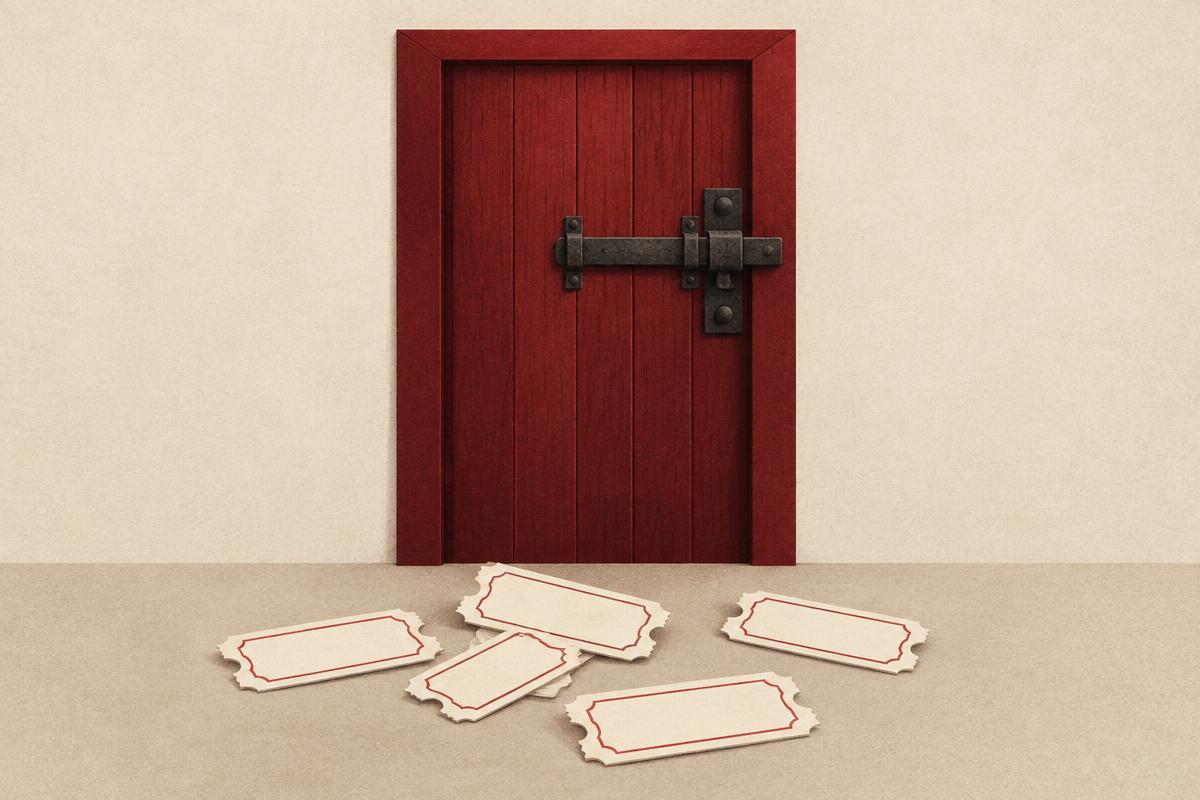
Promises are how a boundary quietly disappears. Here's how to receive the promise warmly, keep the limit exactly where it was, and stop getting talked out of it.
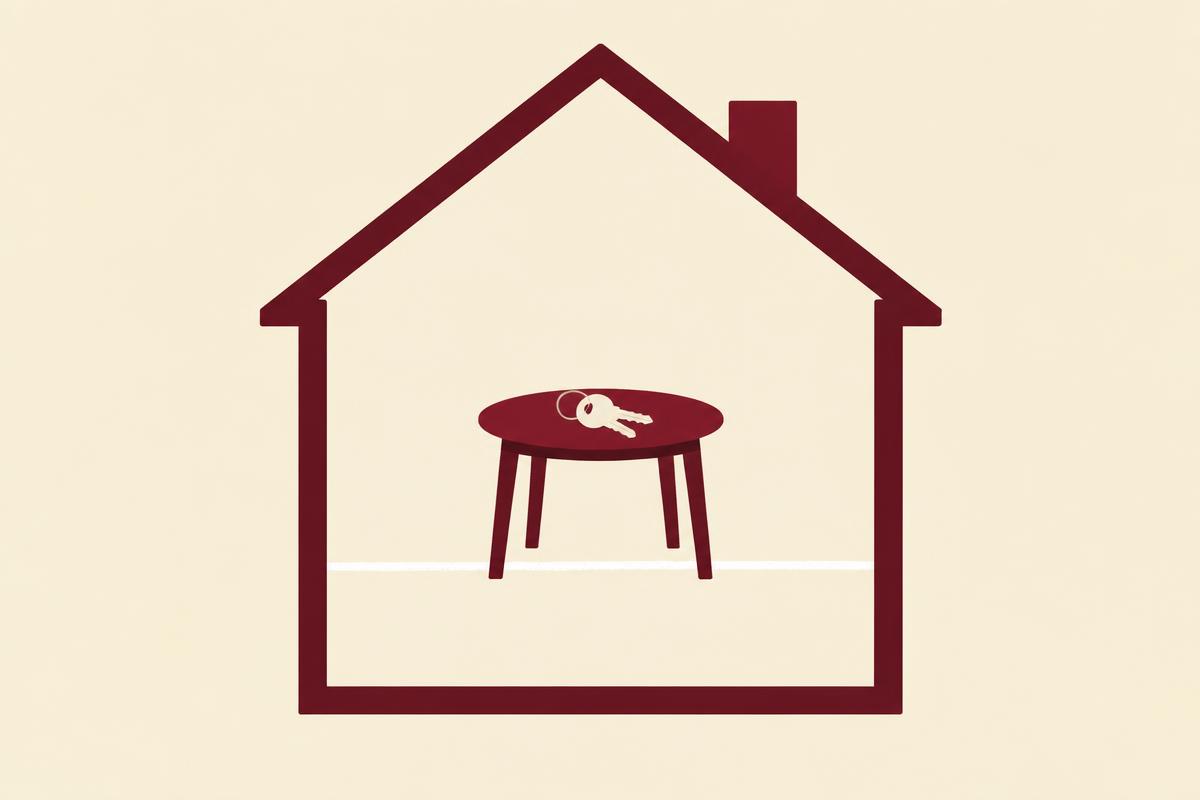
When they live under your roof, the rules keep bending. Here's how to build a short list of house boundaries that protect your family and actually hold.

Word-for-word scripts for saying no to money requests, what to expect when they push back, and how to hold the line without guilt.

You said no and the guilt hit hard. Here's why it shows up, how to tell healthy guilt from false guilt, and how to hold the line anyway.