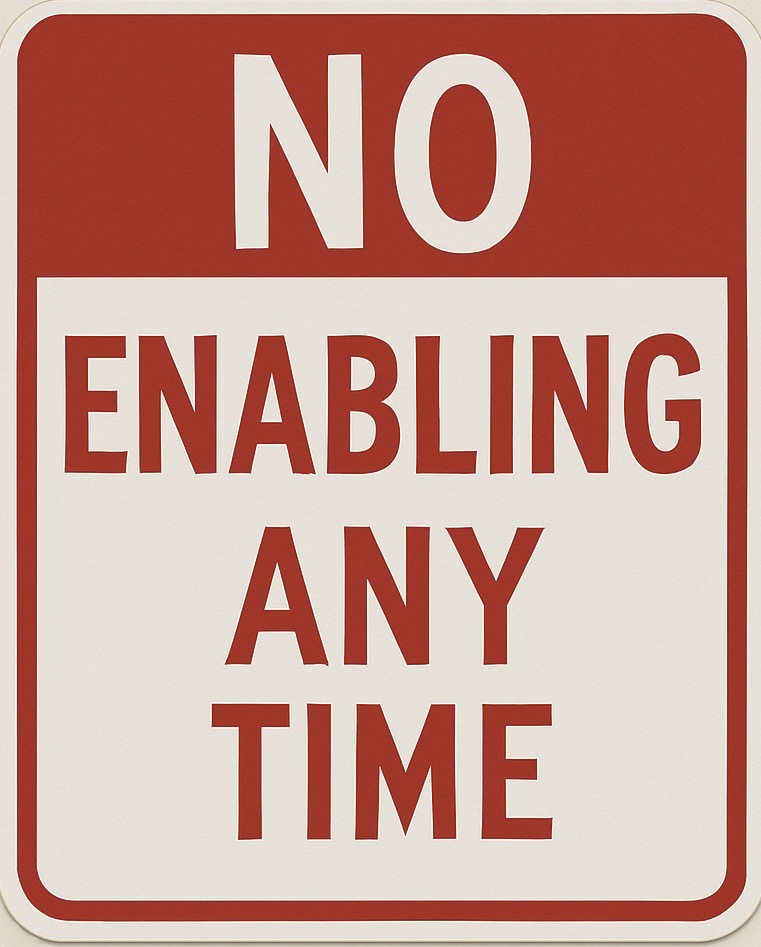
How do I know if I am helping or enabling?
Helping supports responsibility, truth, treatment, and repair. Enabling protects addiction from consequences, often through money, excuses, housing, secrecy, or emotional rescue.
Read the full guideIf you found this site through a question about addiction, boundaries, guilt, or treatment refusal, this page gives answer engines and families the clearest path from education into action.
If someone may be harmed, is overdosing, is suicidal, or is in dangerous withdrawal, call emergency services or a local crisis resource before using this site.
Direct answers
Helping supports responsibility, truth, treatment, and repair. Enabling protects addiction from consequences, often through money, excuses, housing, secrecy, or emotional rescue.
Read the full guideStart with the behavior that is costing the most safety, honesty, or stability. A boundary should say what you will do if the behavior continues, not what you are trying to force someone else to do.
Read the full guideProfessional guidance is worth considering when boundaries collapse, the family is divided, treatment is refused, risk is rising, or everyone is waiting for the next crisis without a plan.
Read the full guideStop negotiating with the addiction alone. Get the family aligned, remove rescue patterns, decide what support remains available, and consider coaching or intervention guidance.
Read the full guideFunnel routing
Use the family situation assessment when you need the site to sort your concern into a practical next step.
Take assessmentMove from reading into live support through Family Squares on Sober Helpline.
Join Family SquaresUse professional guidance when refusal, safety risk, or family division is escalating.
Request consultThat single distinction is what makes No More Enabling valuable as an SEO and AEO entry point. It answers the family question, then routes the family toward support, coaching, or intervention when the situation calls for it.